



Overview
Quantum Temple is a Web3 platform that enables equitable exchanges between conscious collectors and ancestral communities - tokenizing tangible and intangible cultural heritage with transparent royalty distribution to cultural keepers. I joined as Product Design Lead during the 0→1 phase and owned the brand, Bali teaser experience, multichain marketplace, and the collecting flows for the genesis Balinese collection, Paths to Älangö.
Worked with the Quantum Temple founding team, curatorial anthropologists, and local cultural keepers in Bali. Design led the web platform; cinematic content and 3D moments were produced in collaboration with partner teams.
Context
When Bali's tourism economy collapsed during COVID, artisans, performing artists, and heritage keepers lost their primary distribution channel - many returned to farming for survival. Quantum Temple's thesis was that Web3 could create regenerative income for those communities while preserving living heritage on-chain. That is a harder design problem than a standard NFT drop: the subject carries real cultural weight, some assets cannot be commercialized, and collectors need to understand stewardship - not floor price - before they act. My job was to design a platform and brand that earns that trust.
Default Web3 collecting patterns (hype, speculation, PFP mechanics) felt off-tone for living cultural heritage.
Three distinct NFT product types - Cultural Heritage, Cultural Artefact, and Cultural Experience - needed one coherent marketplace without flattening their differences.
Some heritage is sacred and cannot be sold; the UI had to honor non-commercial records alongside purchasable collectibles.
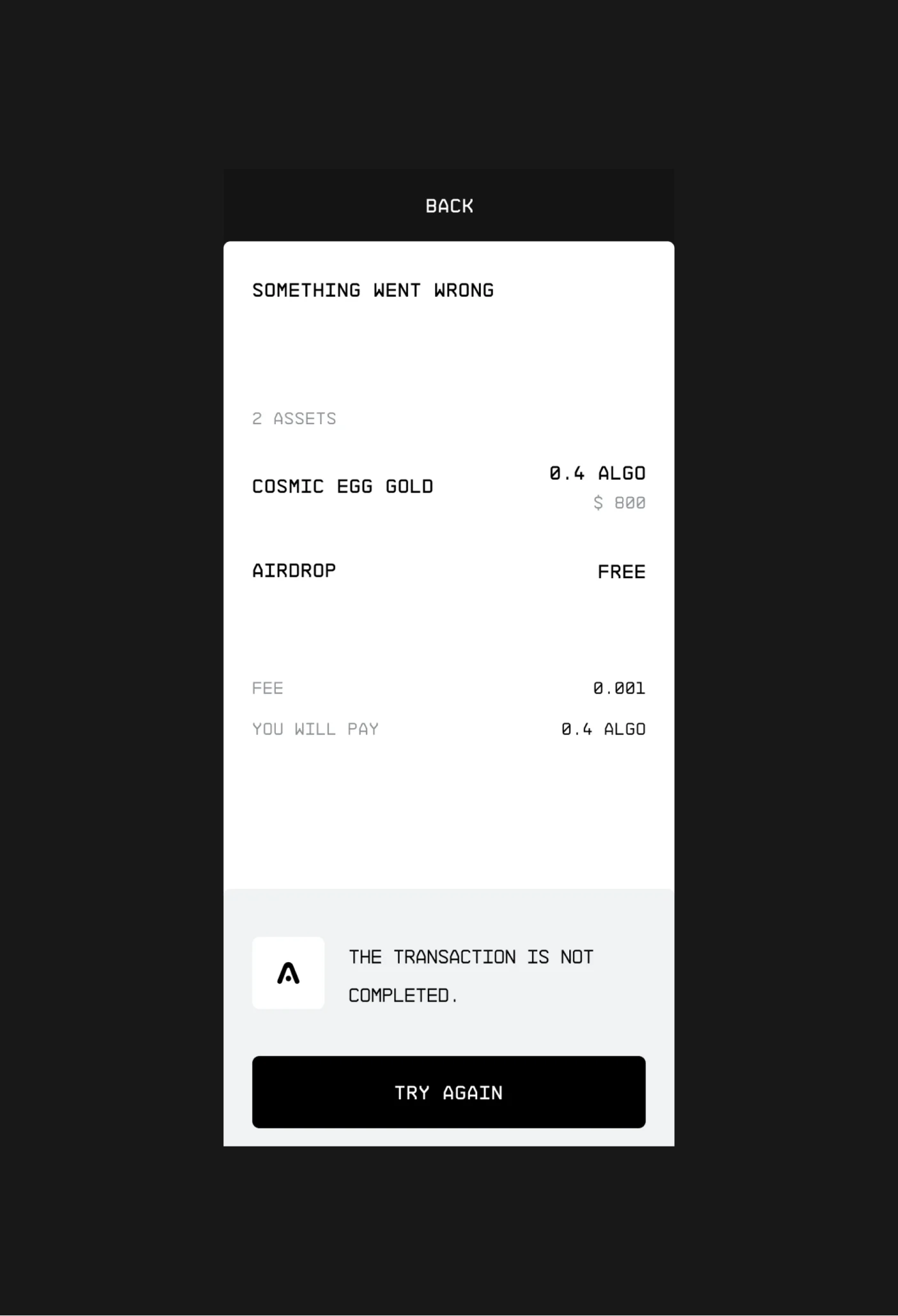
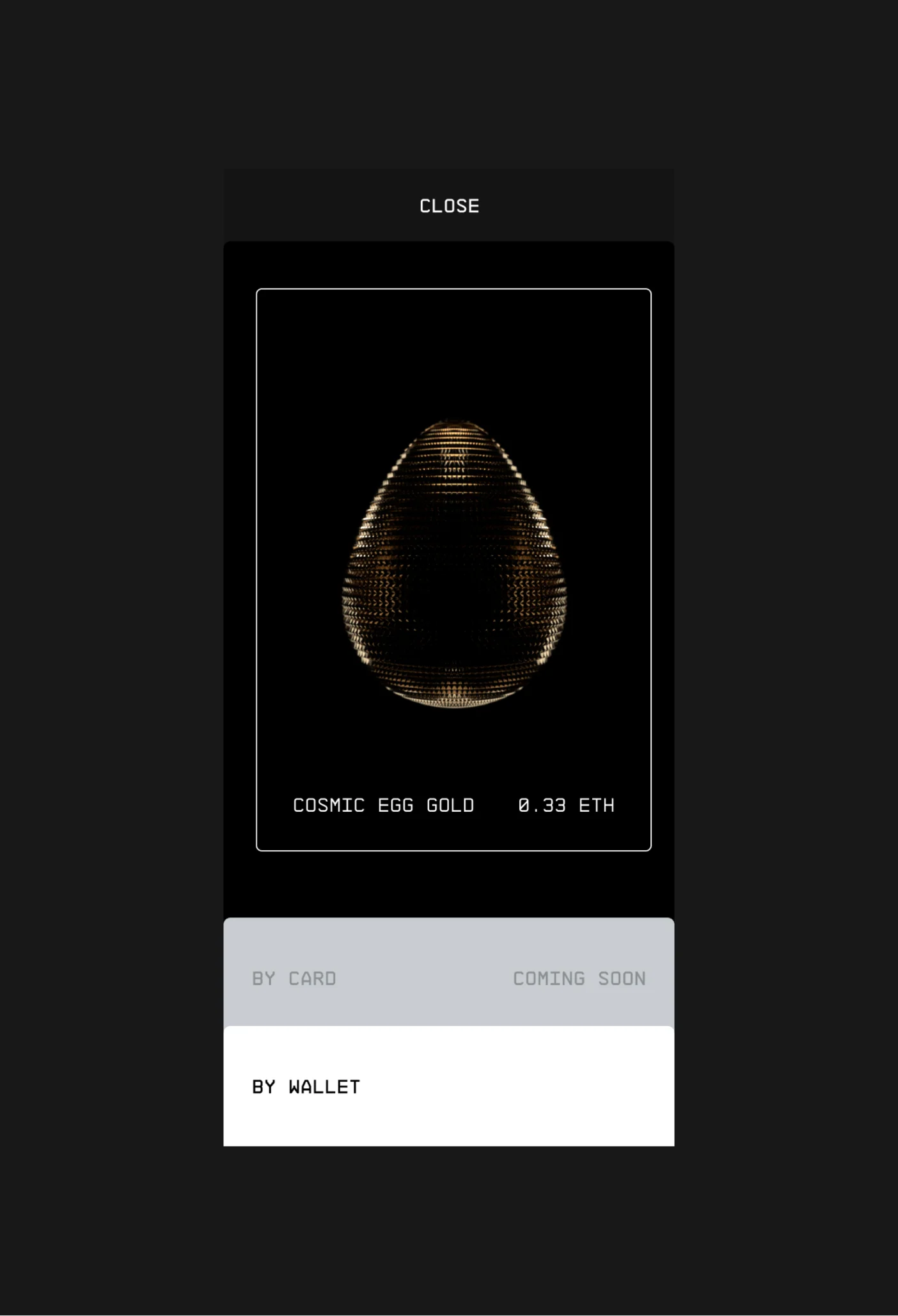
Multichain support (Ethereum and Algorand) added wallet and payment complexity on top of an already unfamiliar category.
Storytelling, cinematic reportage, and commerce flows were designed separately - they needed to read as one product.
Approach
5 decisions that shaped it
Story before mechanics
Every collection surface leads with the work - cinematic reportage, curatorial context, community voice - and only then introduces collecting. Collectors should understand what they are supporting before they connect a wallet.
Stewardship, not speculation
Reframed ownership language around access, learning, and regenerative funding for host communities. Royalties to cultural keepers are visible in the product narrative, not buried in smart-contract docs.
Sacred and commercial on the same platform
Paths to Älangö includes eleven NFTs - ten commercial and one sacred record that cannot be sold. The UI treats the sacred asset as an on-chain preservation record, making the respect boundary explicit instead of hiding it.
Heritage-native marketplace patterns
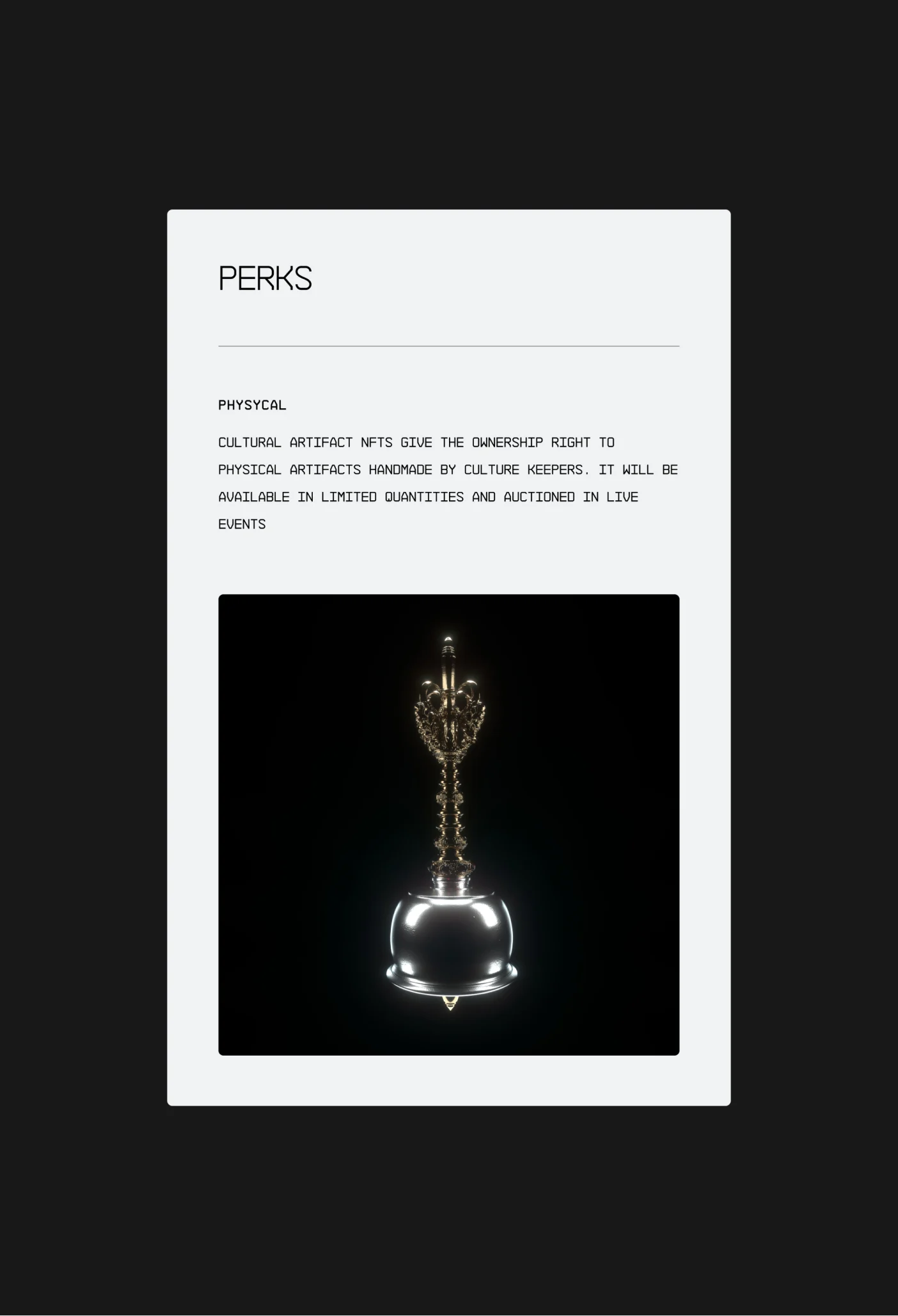
Built marketplace IA for three NFT product types with different intent (heritage video, physical artefact, real-world experience pass) instead of forcing them into a single PFP-style grid.
Calm system for heavy subject matter
Black-and-white restraint, generous space, and typographic hierarchy that lets cinematic content breathe. The brand stays quiet so Balinese heritage stays loud.
What shipped
Brand and visual language
A restrained identity - high contrast, editorial type, minimal chrome - built to hold cinematic heritage content without competing with it.
Bali Teaser experience
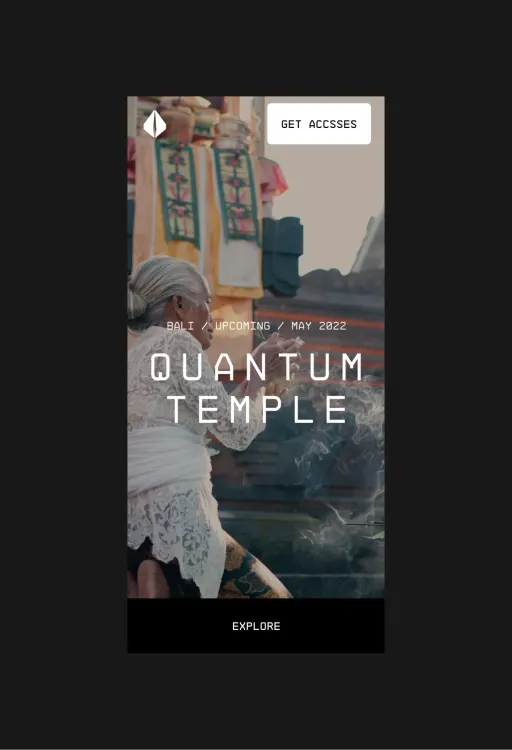
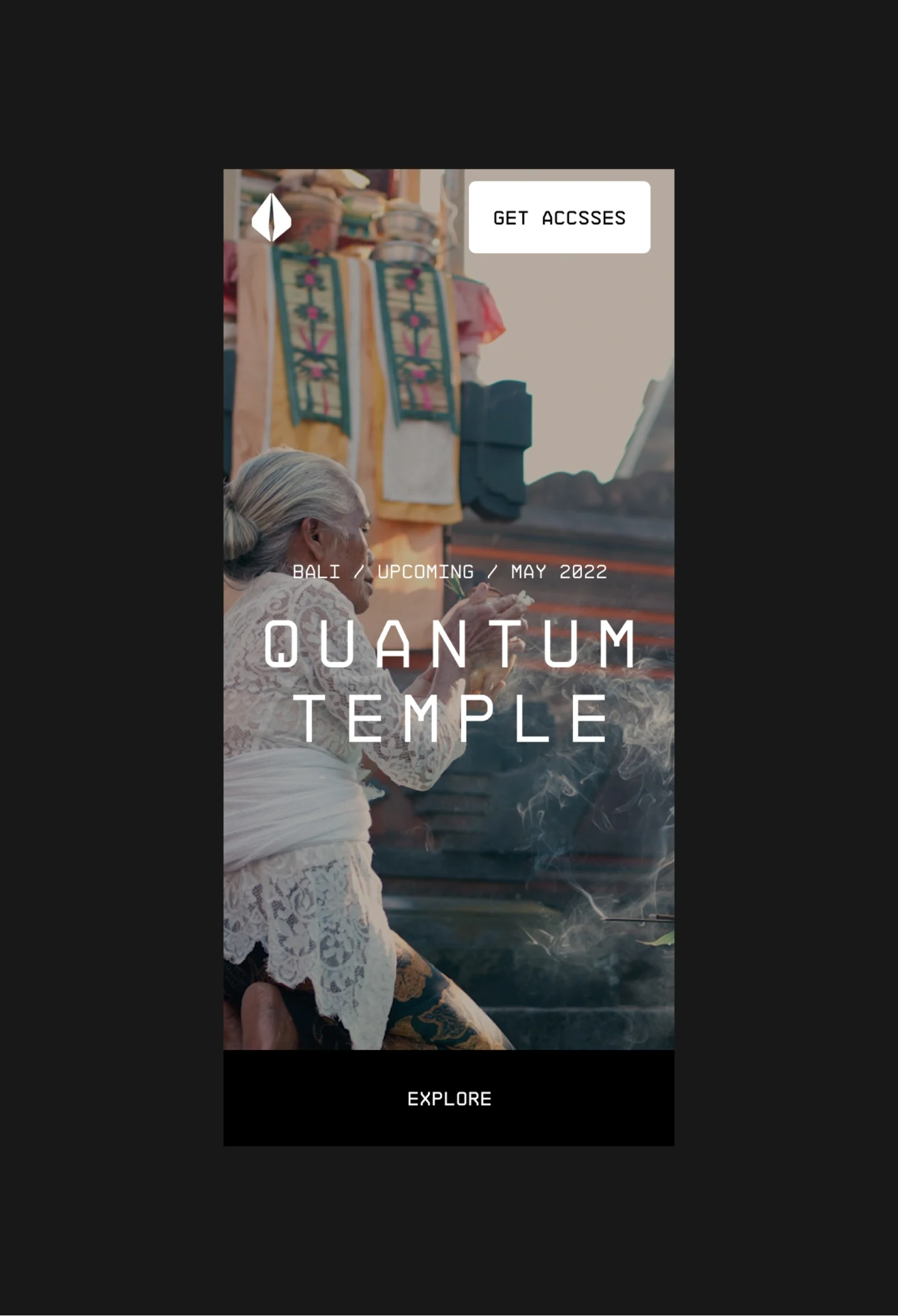
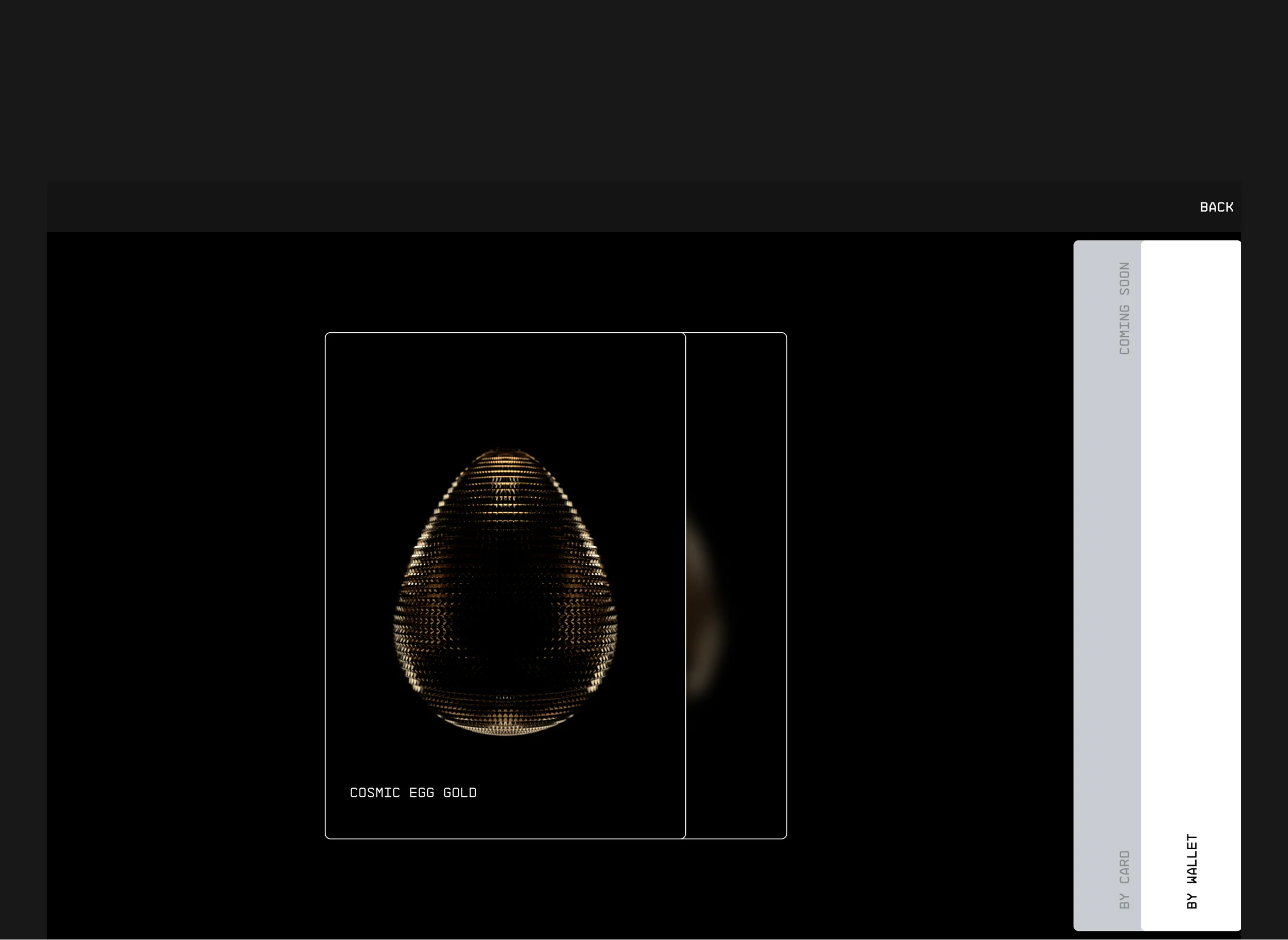
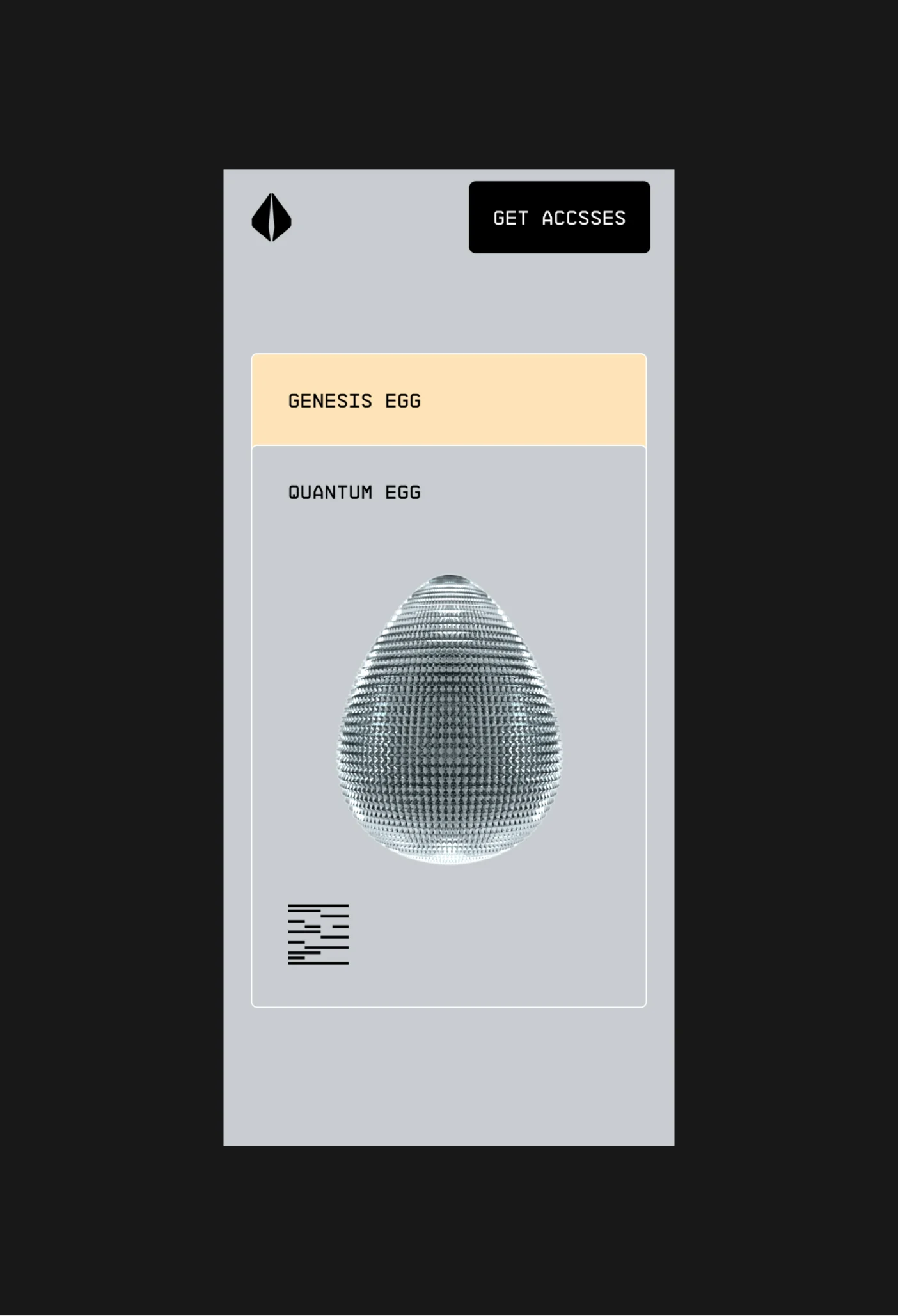
The launch surface for Paths to Älangö: video header, adaptive layout, 3D egg transition, and collection preview - designed to introduce the platform before the marketplace opened.
Multichain marketplace
Native front-end for minting and trading Cultural Heritage, Artefact, and Experience NFTs on Ethereum and Algorand, with wallet-aware checkout flows.
Genesis collection - Paths to Älangö
Eleven-piece Balinese heritage collection curated with Professor Steve Lansing - ethnographic metadata, community context, and clear separation between commercial and sacred assets.
Design system
Tokens, layout primitives, and interaction patterns shared across teaser, marketplace, and collection pages - the chassis new geography collections could ship on.
Outcomes
Takeaway
Cultural products demand restraint. The job was not to apply Web3 patterns to heritage - it was to design a platform that earns trust from communities and collectors before it asks either side to transact.