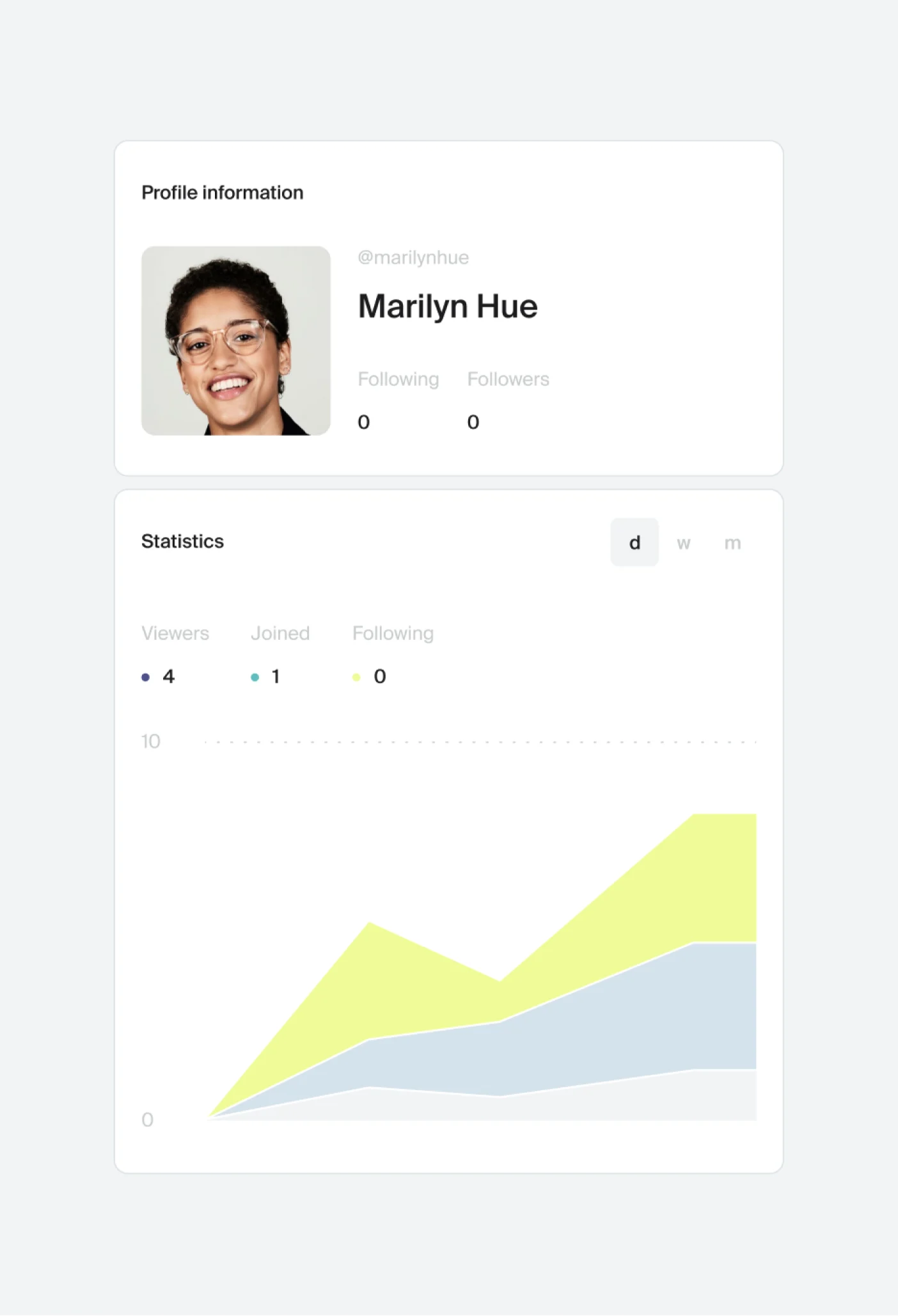
Designing Temple's foundations - a music D2F platform later acquired by Groover
Project overview
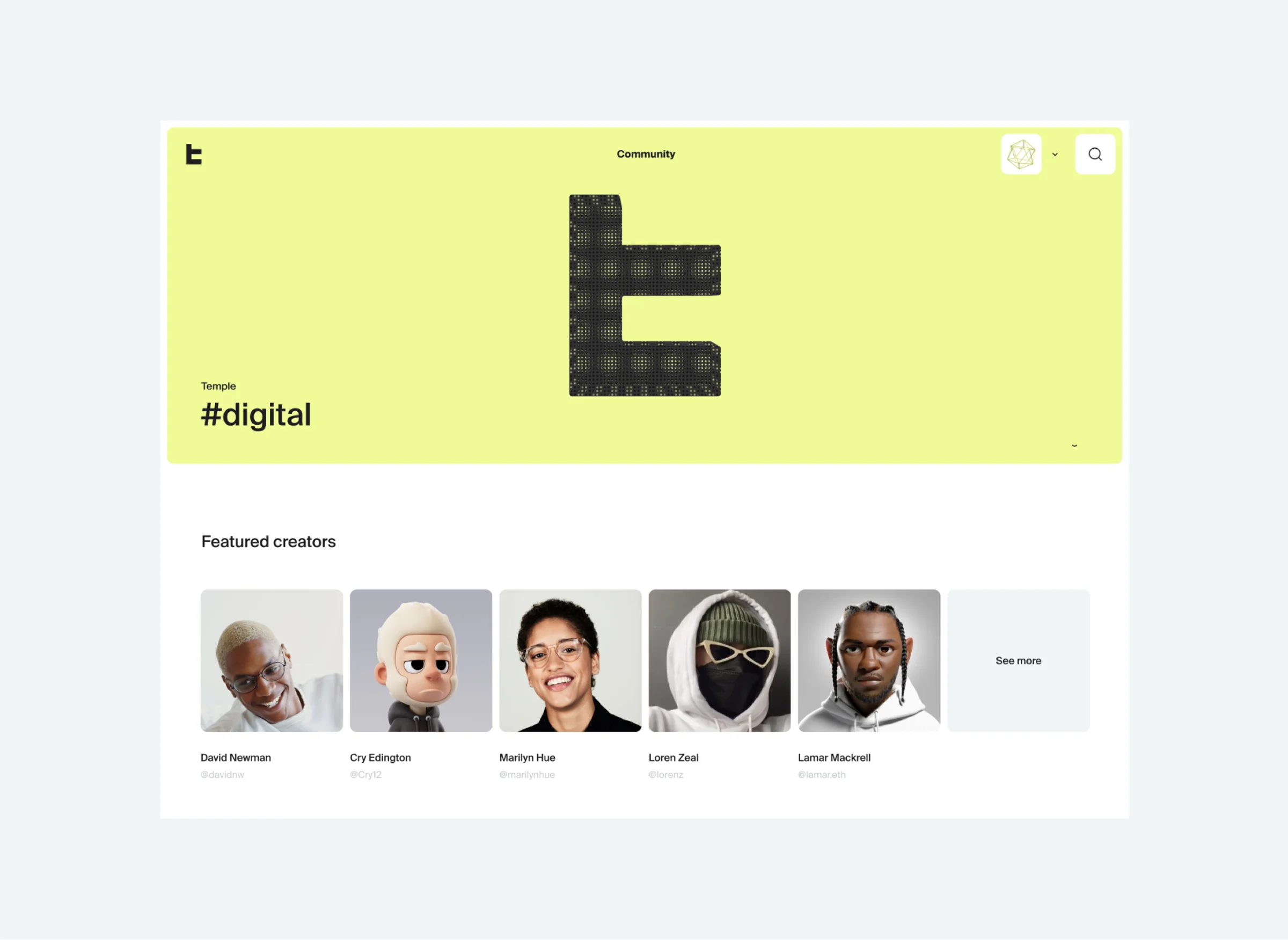
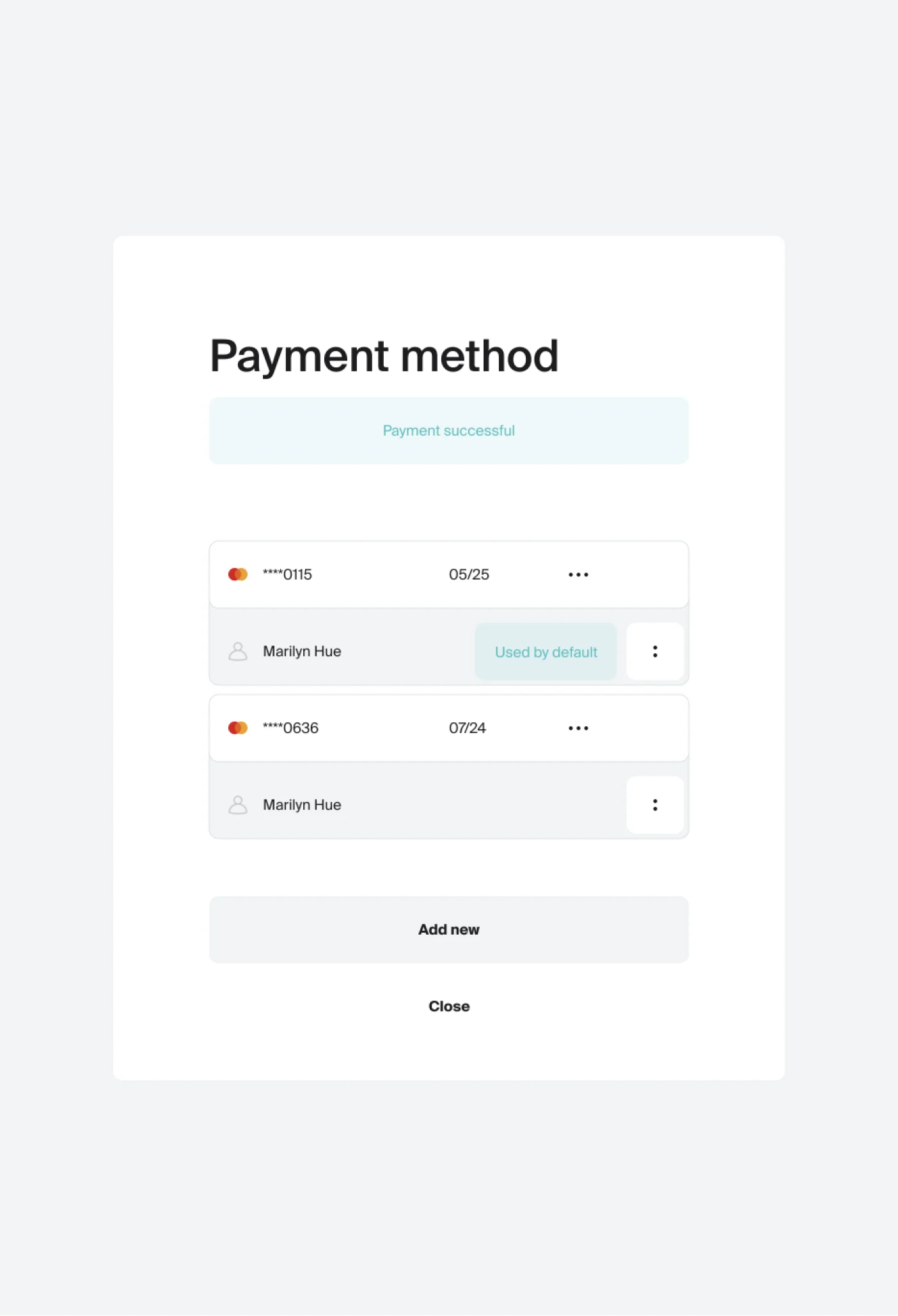
Temple is a UK-based direct-to-fan platform for independent music artists - link-in-bio microsites, fan database, and marketing tools. I came in for a focused 2022 engagement to set the brand, marketing site, artist dashboard, microsite builder, and design system. In September 2025, Groover acquired the product to launch Temple by Groover.
Temple
2022
Music tech / D2F
Contract Product Designer
~3–4 months
Foundational (post-V1 reset)
Brand, Web Design, Product Design, Design System

Context
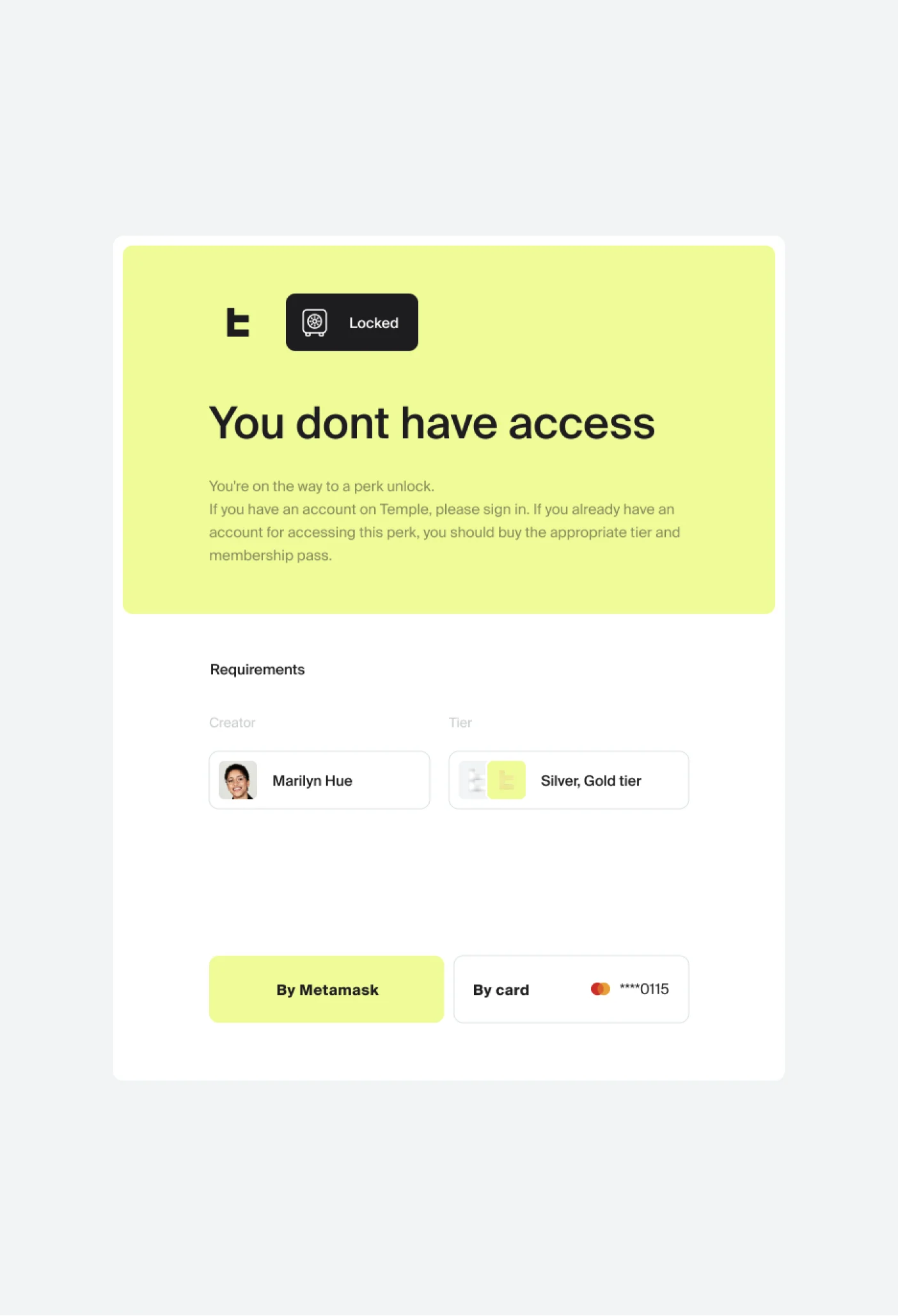
Temple was founded in 2021 by Omar Ismail to give independent artists tools to grow and own their fanbase outside of streaming algorithms. By 2022 the idea worked, but the product surface was inconsistent: brand, dashboard, and fan-facing microsite read as three different products. I came on as a contract designer to fix the foundations - the layer the team could keep shipping on after I left.
Problem
- - No coherent brand - visuals shifted between marketing, dashboard, and microsite.
- - Artist dashboard and fan-facing microsite were two different design languages.
- - No reusable system - every new screen restarted from a blank Figma.
- - Marketing site did not communicate what Temple does in under five seconds.
Selected visuals
Approach
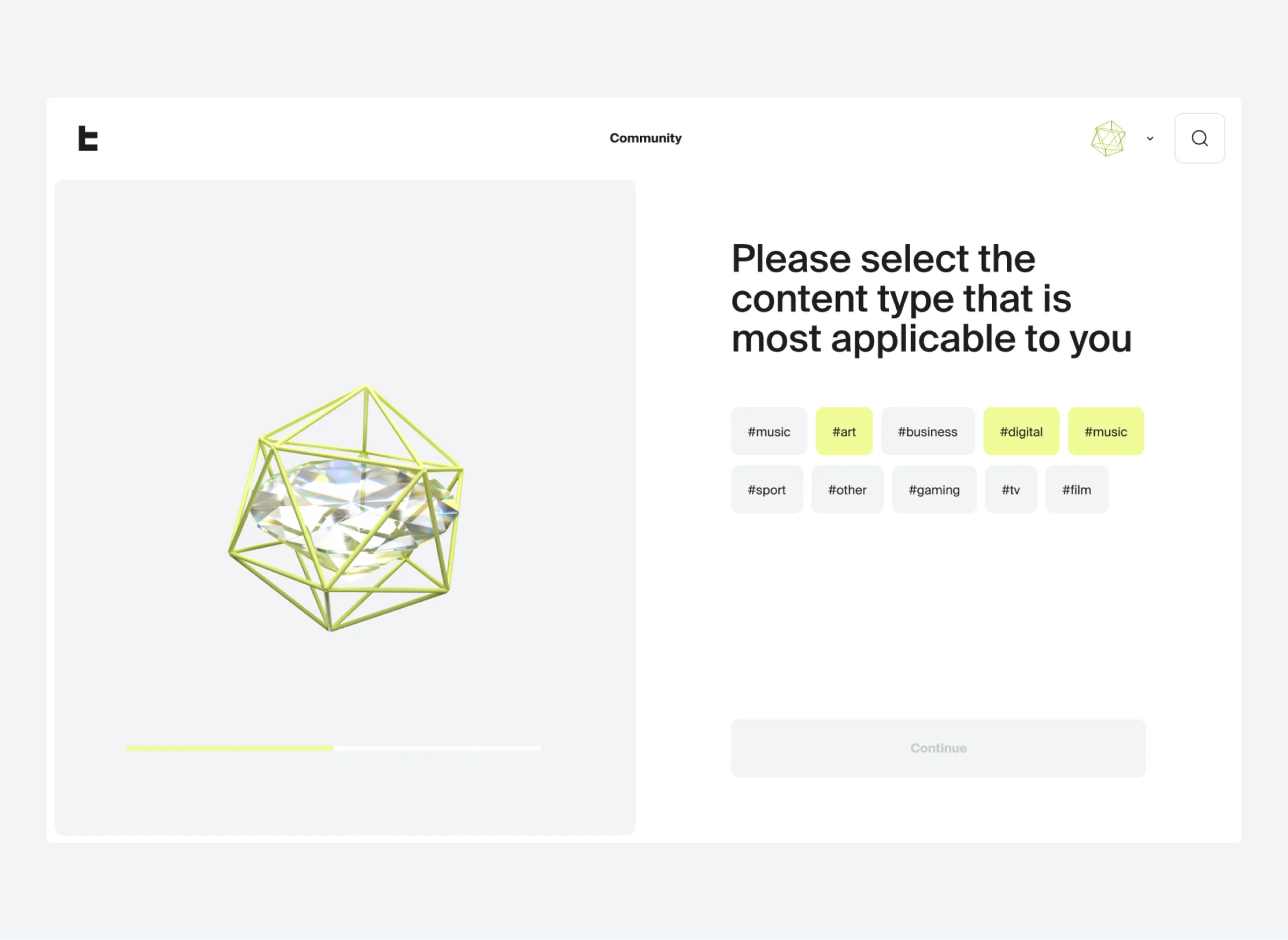
The principles and concrete choices that shaped the work - what we picked, and why we picked it.
- 01
One brand across marketing, dashboard, and microsite
Defined a single visual language that holds across all three contexts. Three surfaces, one Temple.
- 02
Microsite builder around the artist, not the template
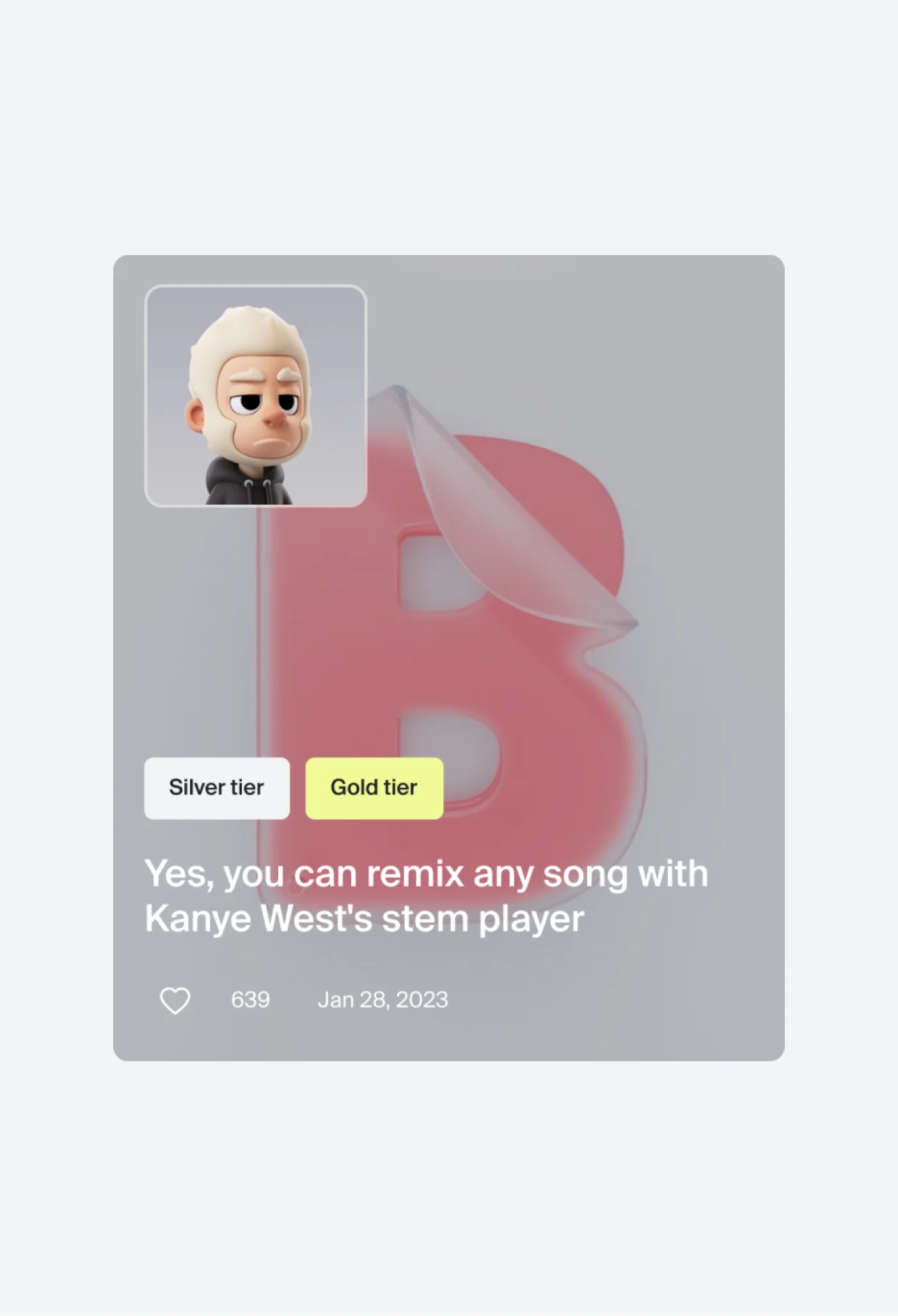
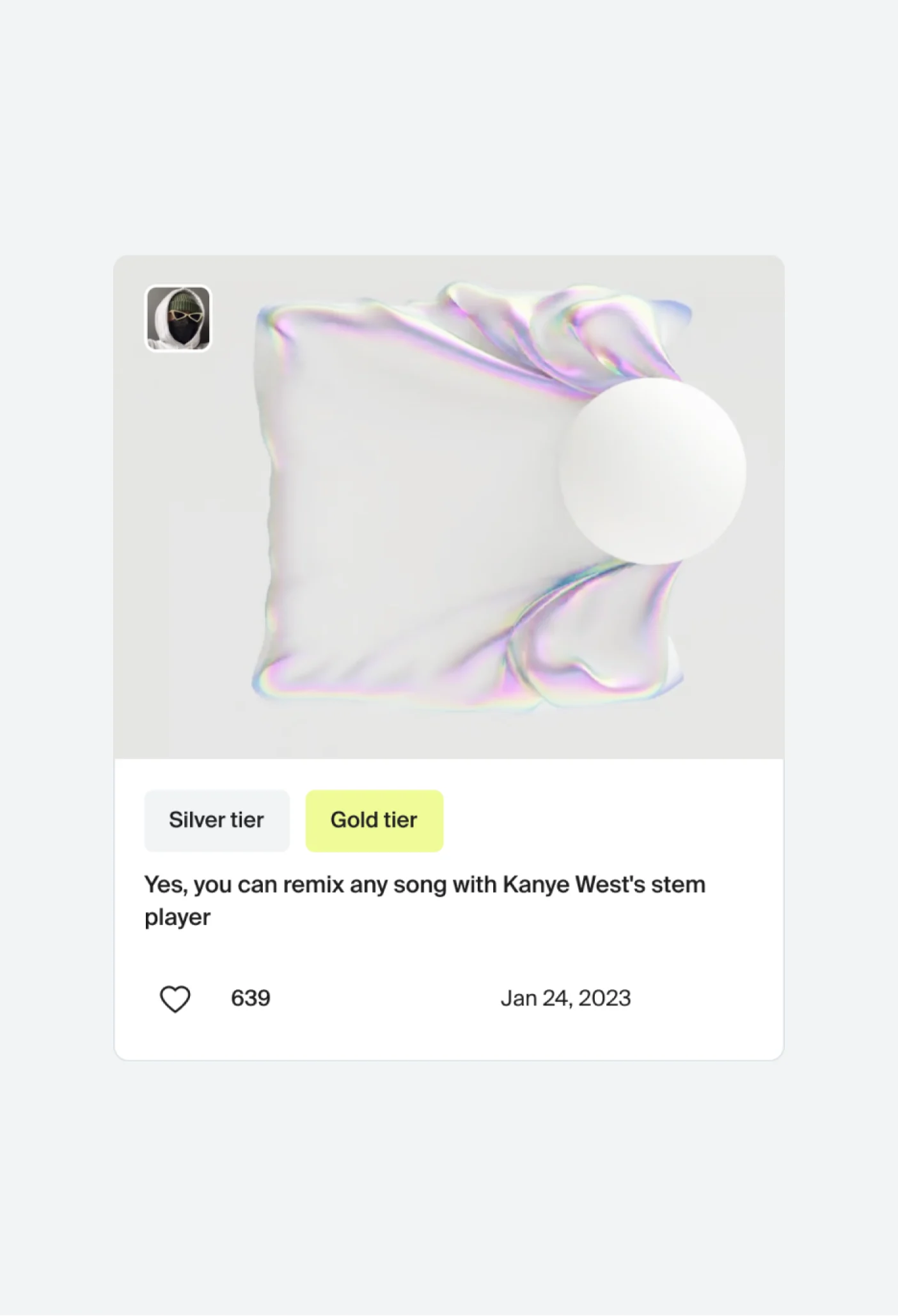
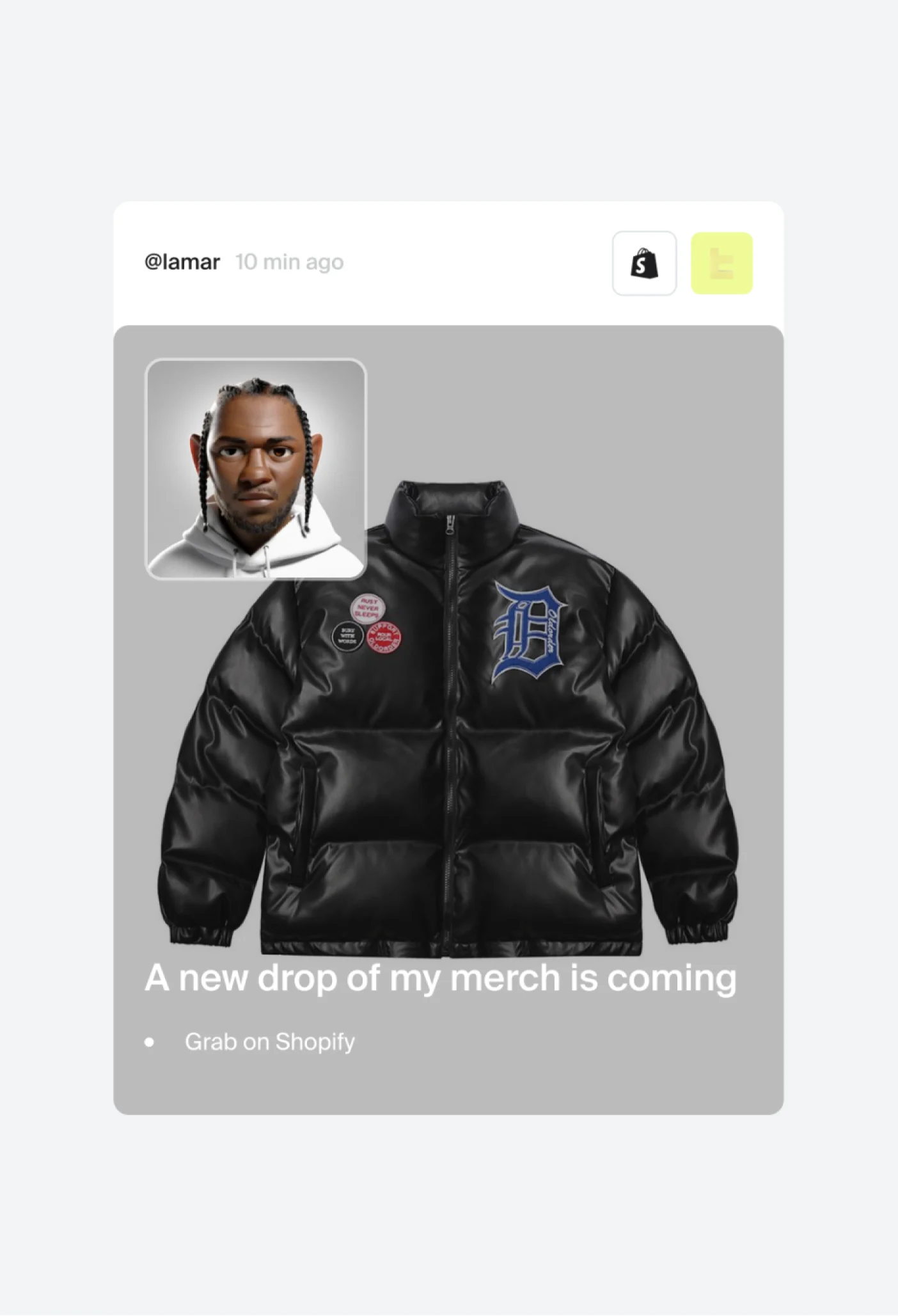
Built the editor so that anything an artist adds - track, merch, tour date, drop - inherits the brand instead of fighting it. The artist customizes; the system protects taste.
- 03
Dashboard tuned for non-technical users
Designed the artist dashboard so a touring musician can launch a microsite, drop a release, and review fans without reading docs.
- 04
Token-driven design system
Set the token and primitive layer so the team could ship new surfaces after I left (later: messaging, drops, ads, AI segmentation) without redesigning the foundations.
Metrics
Acquisition outcome
Early-stage startup (2022, when I joined)Acquired by Groover in September 2025 to launch Temple by Groover
Music Ally · Product-asset acquisition (no employees moved). The brand, dashboard, microsite, and system I designed in 2022 became part of what was acquired.
Acquirer reach (post-acquisition context)
-650K+ registered artists across 100+ countries (Groover)
Groover · Reach of the acquiring platform, not a Temple-only metric.
Live product surfaces I designed
No coherent surfaceBrand, marketing site, artist dashboard, microsite builder, and design system - all live in production
Impact
- - Set the brand, system, and product foundations Temple kept shipping on for years
- - Designed brand, marketing site, artist dashboard, and microsite builder
- - Foundations became part of the product Groover acquired in September 2025
Qualitative outcomes
- - Brand and product visually consistent across marketing, dashboard, and microsite.
- - Design system outlasted the engagement - the team shipped new features on top of it for years.
- - Foundations were strong enough to be part of an acquired product three years later.