


Overview
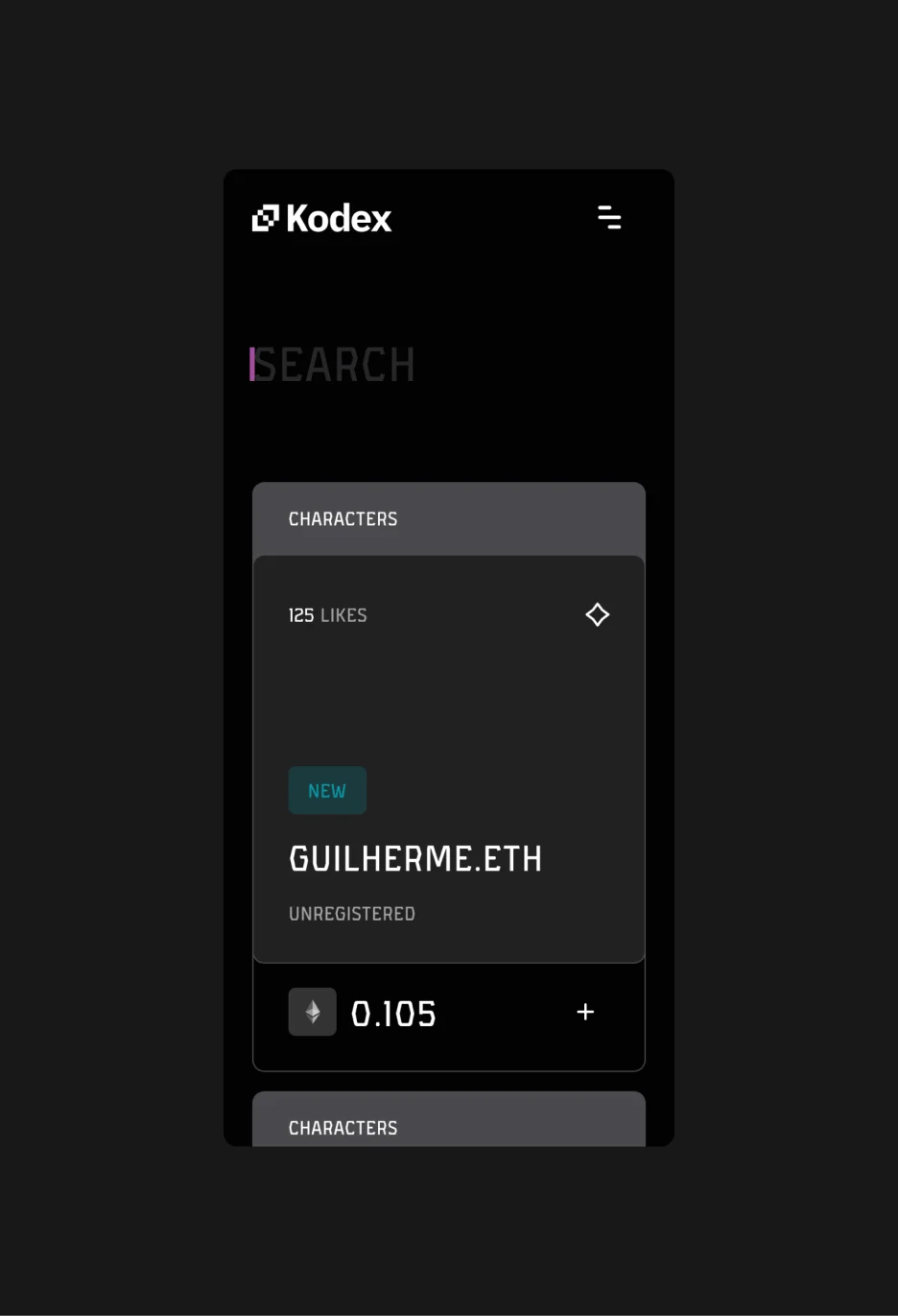
Kodex was the ENS-native marketplace - not "another OpenSea filter" but a product designed specifically around how people search, value, lease, and trade ENS names. I joined as senior designer in 2022 and stayed year+, owning browse, offers, profile, lease, dense ENS data surfaces, brand, marketing, and the design system. The product is now closed; the May 2023 surface lives in the Wayback Machine.
Worked directly with the founders, engineering, and the head of operations (chosen.eth). Owned the design layer end-to-end as senior designer in a small team.
Context
In 2022–2023, ENS was having its moment - monthly registrations in the tens of thousands, names like roblox.eth and mazars.eth trading for 20–93 ETH, and ENS becoming the default identity primitive for Uniswap, Ledger, Worldcoin, and PancakeSwap. Generic NFT marketplaces (OpenSea, Blur) treated ENS names as just another collection. Kodex bet that an ENS-native marketplace - with NLP-powered search, lease and subdomain affordances, and ENS-aware filters - would carve out a real category. The design challenge was building UI for a category that had never had a real product before.
ENS names are not images - the floor/rarity model from PFP NFTs collapses the moment you apply it to "team.eth" or "088.eth".
Power users want filtering by length, character class, palindrome, club, and grace period; beginners want one search box.
Lease, subdomain management, and collateralized lending are ENS-specific affordances that no marketplace UI had rendered well.
The product had to feel native to ENS culture - generic NFT-marketplace chrome would have killed credibility.
Dense, real-time ENS data needed scannability without losing nuance.
Approach
5 decisions that shaped it
ENS-native, not NFT-marketplace-with-filters
Resisted the OpenSea-clone path. Every flow is shaped around what an ENS name actually is - a string with utility - not around image-based PFP rarity.
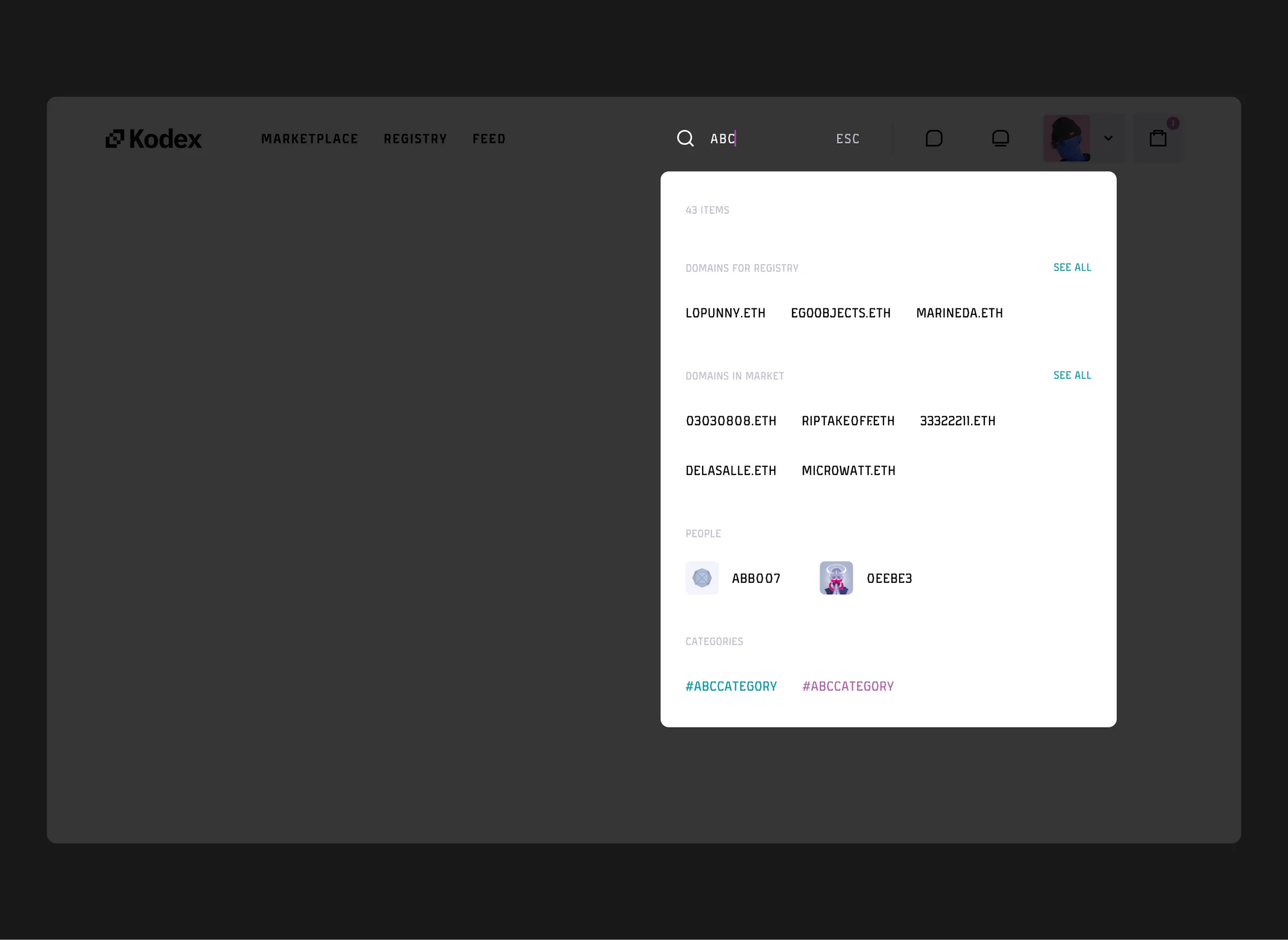
Two layers of search
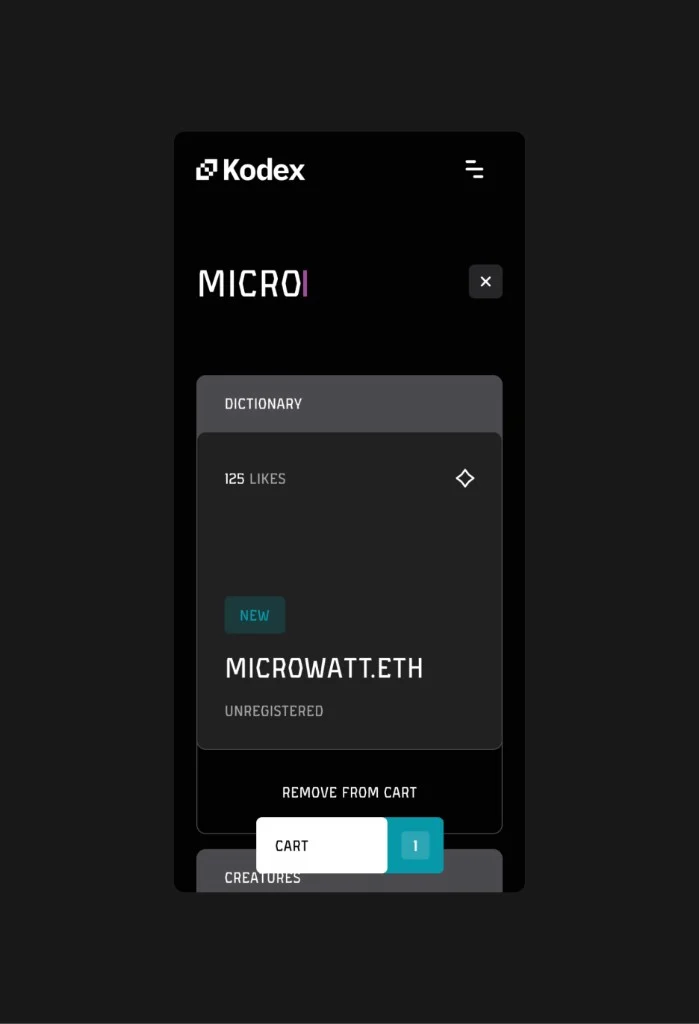
Similar Search (NLP-powered) for explorers who don't know what they want; explicit filters (length, characters, club, grace period) for power users. Same surface, two mental models.
Lease and subdomain as first-class verbs
No marketplace had rendered ENS-specific affordances well. Lease, subdomain management, and collateralized lending were promoted from features to top-level entry points.
Editorial layer inside the product
Monthly ENS roundups, top sales, similar searches around top sales - made the product itself a place to learn ENS, not just to trade it. That changed the kind of users who came back.
Density rules for real-time ENS data
Sales feeds, top tens, and grace-period scans all share consistent density and scannability rules. Power users can read the page in seconds.
What shipped
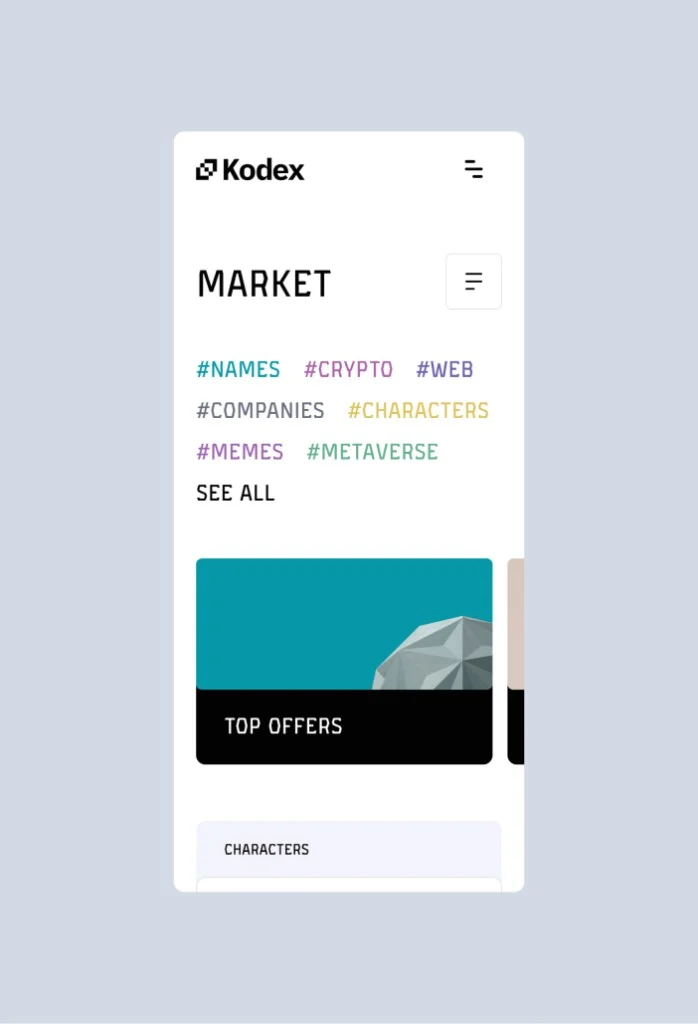
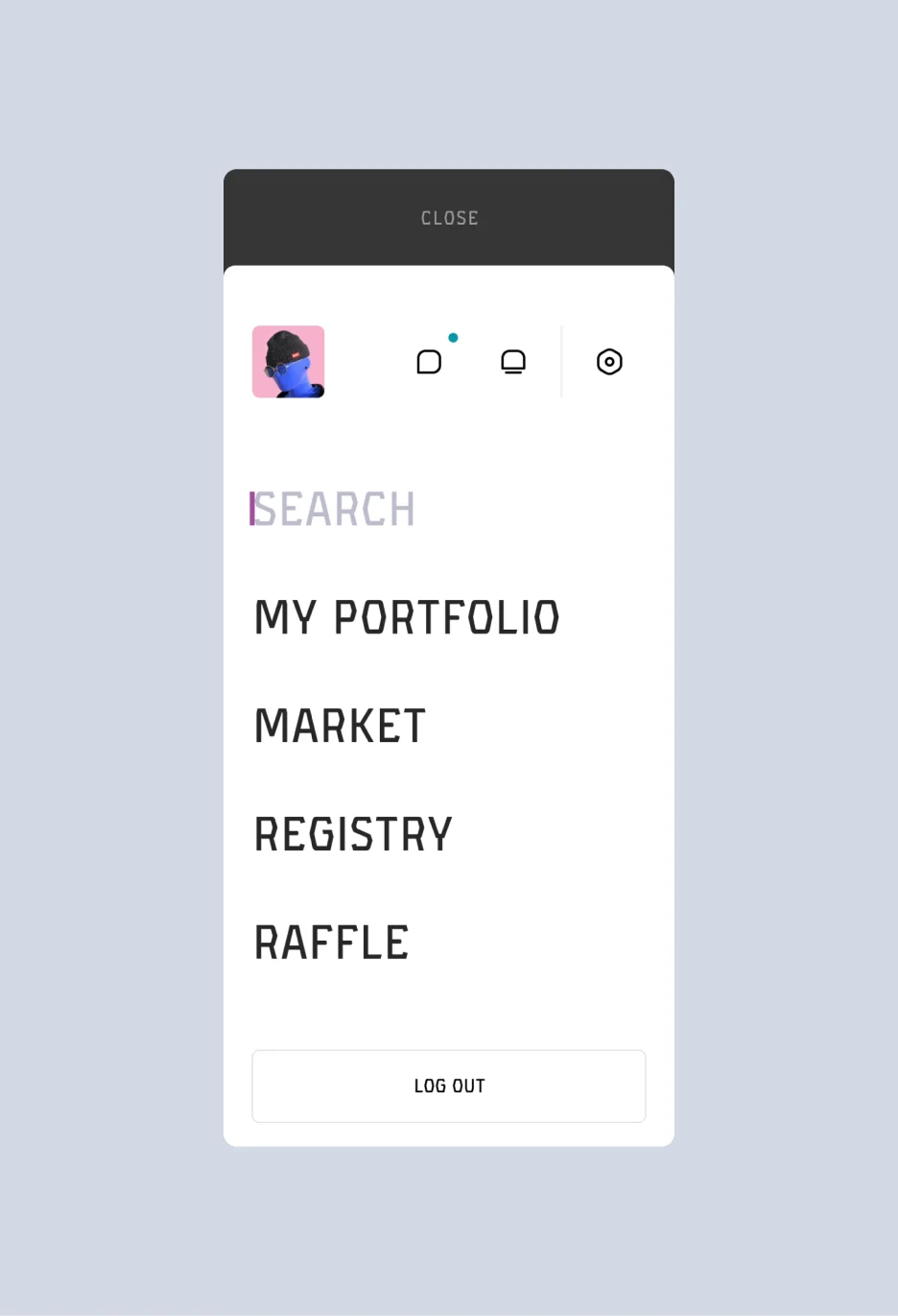
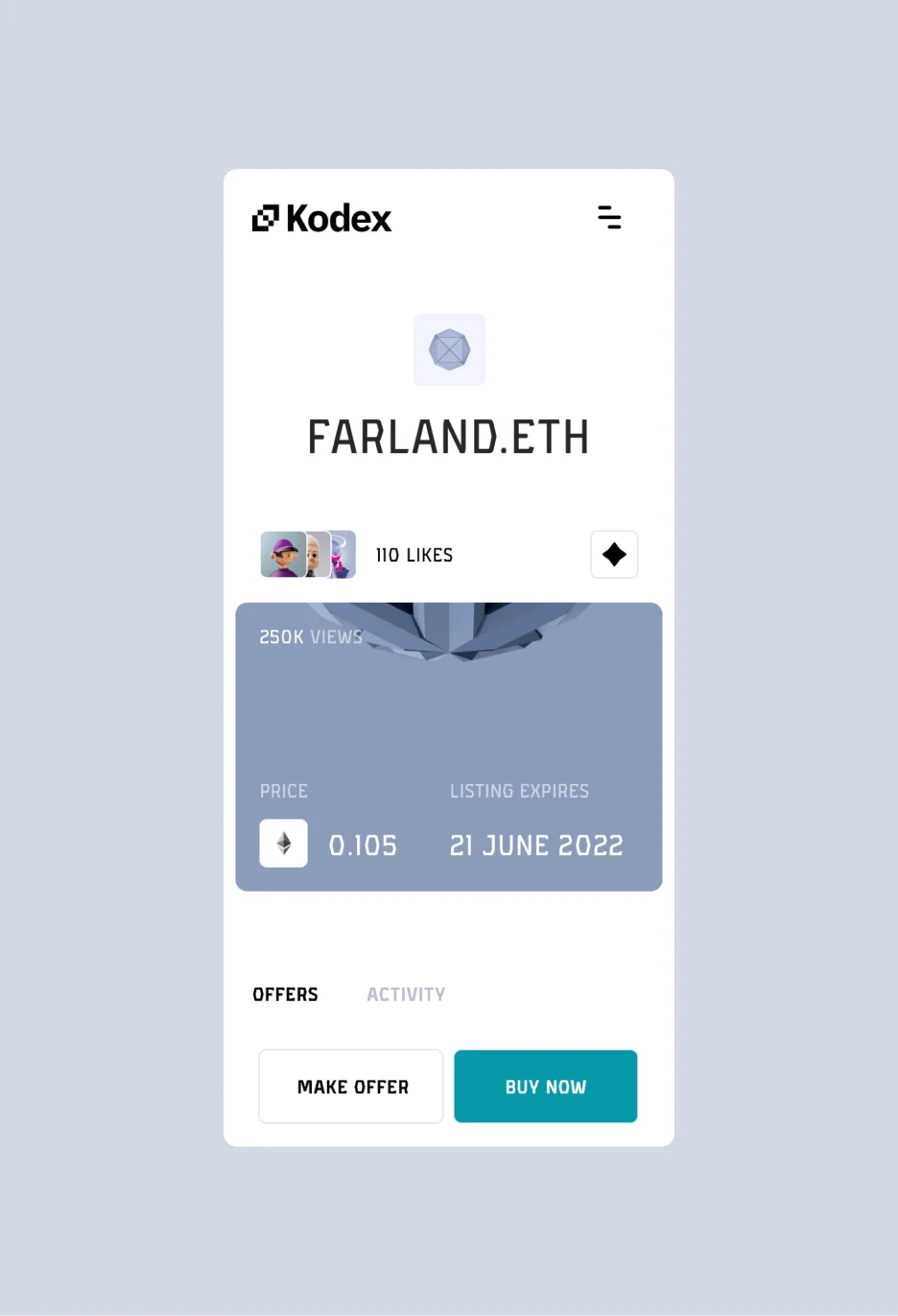
Browse, search, and sell
Two layers of search (similar + explicit filters) on top of a marketplace organized around ENS culture, not generic NFT chrome.
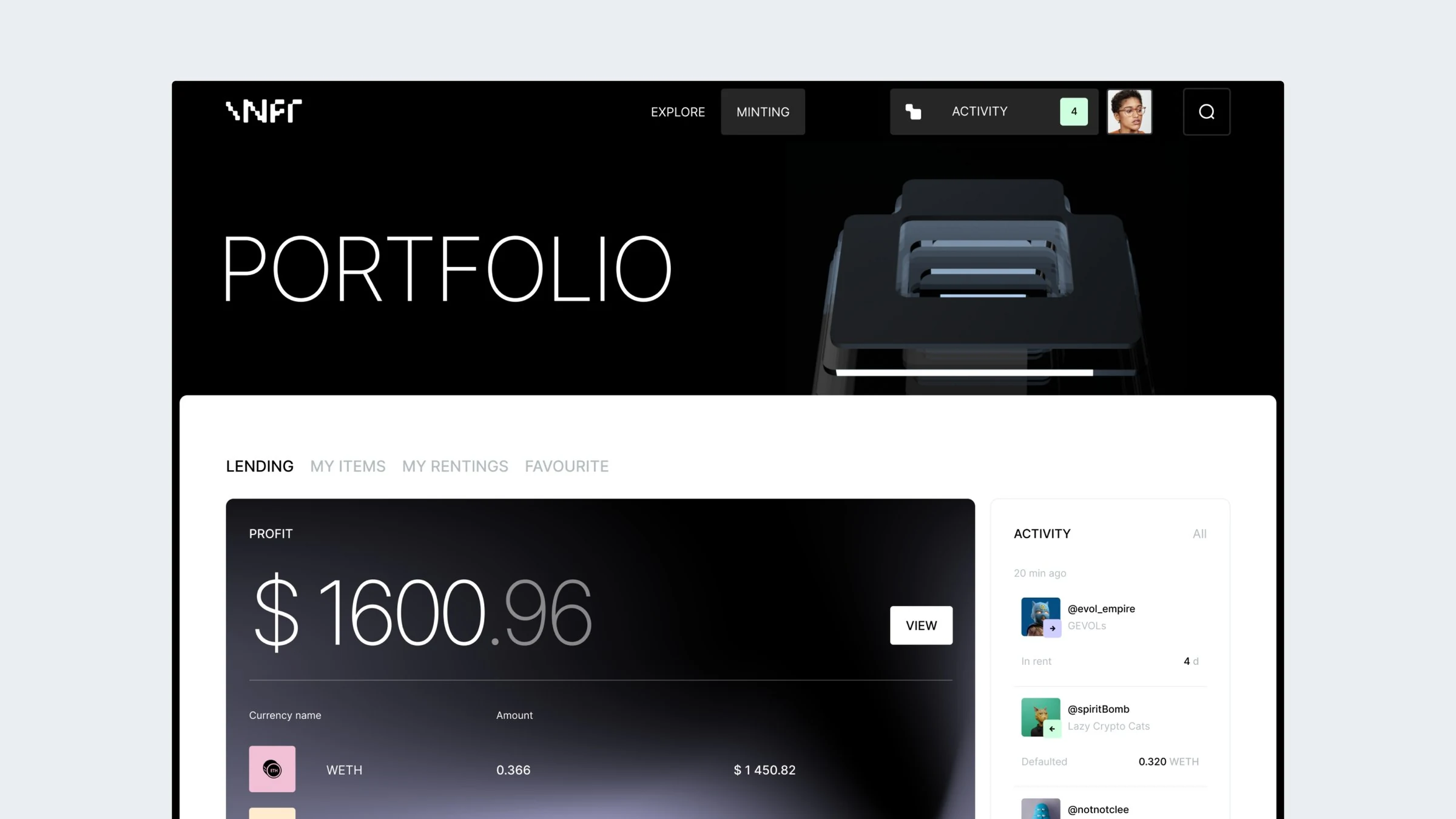
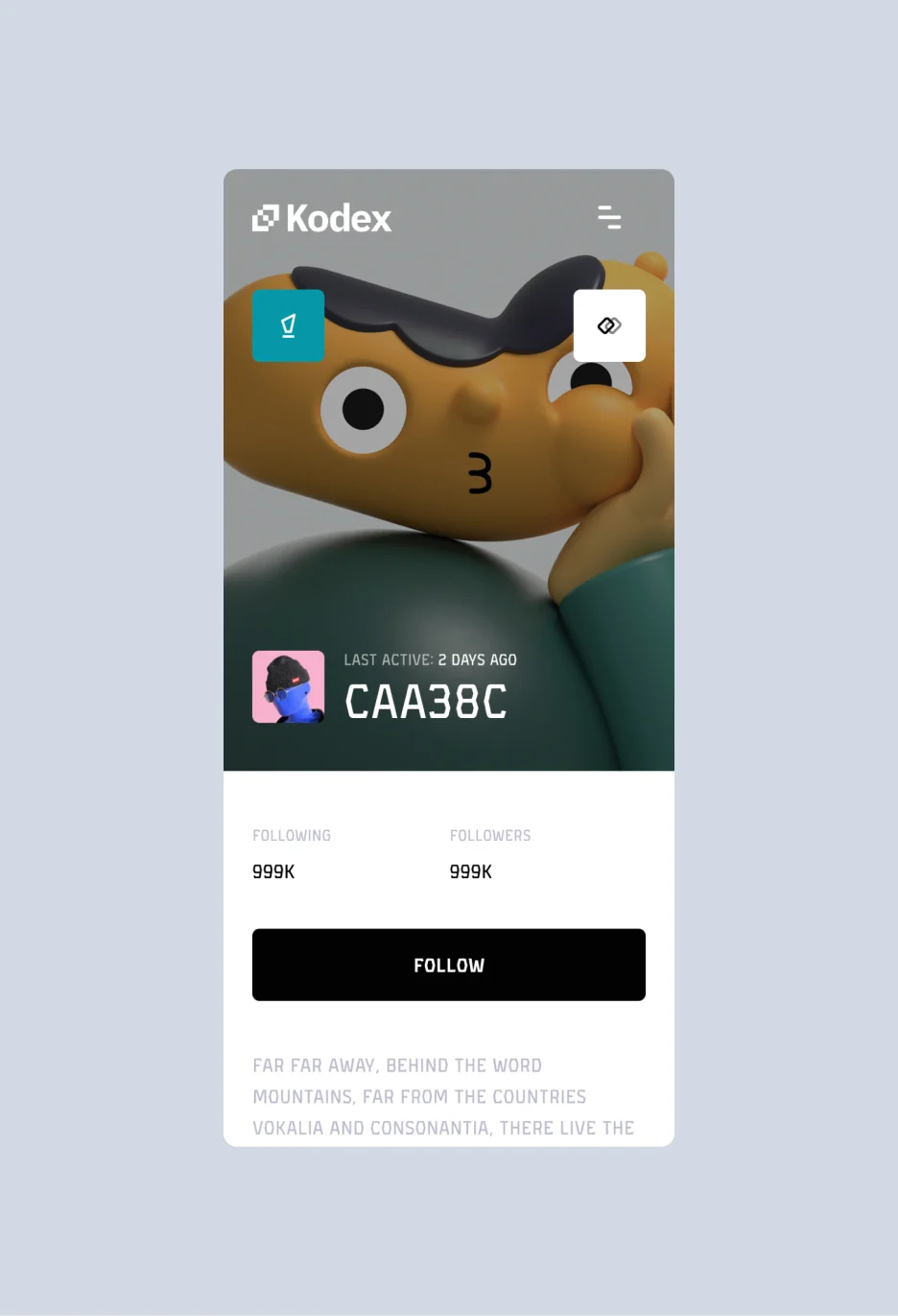
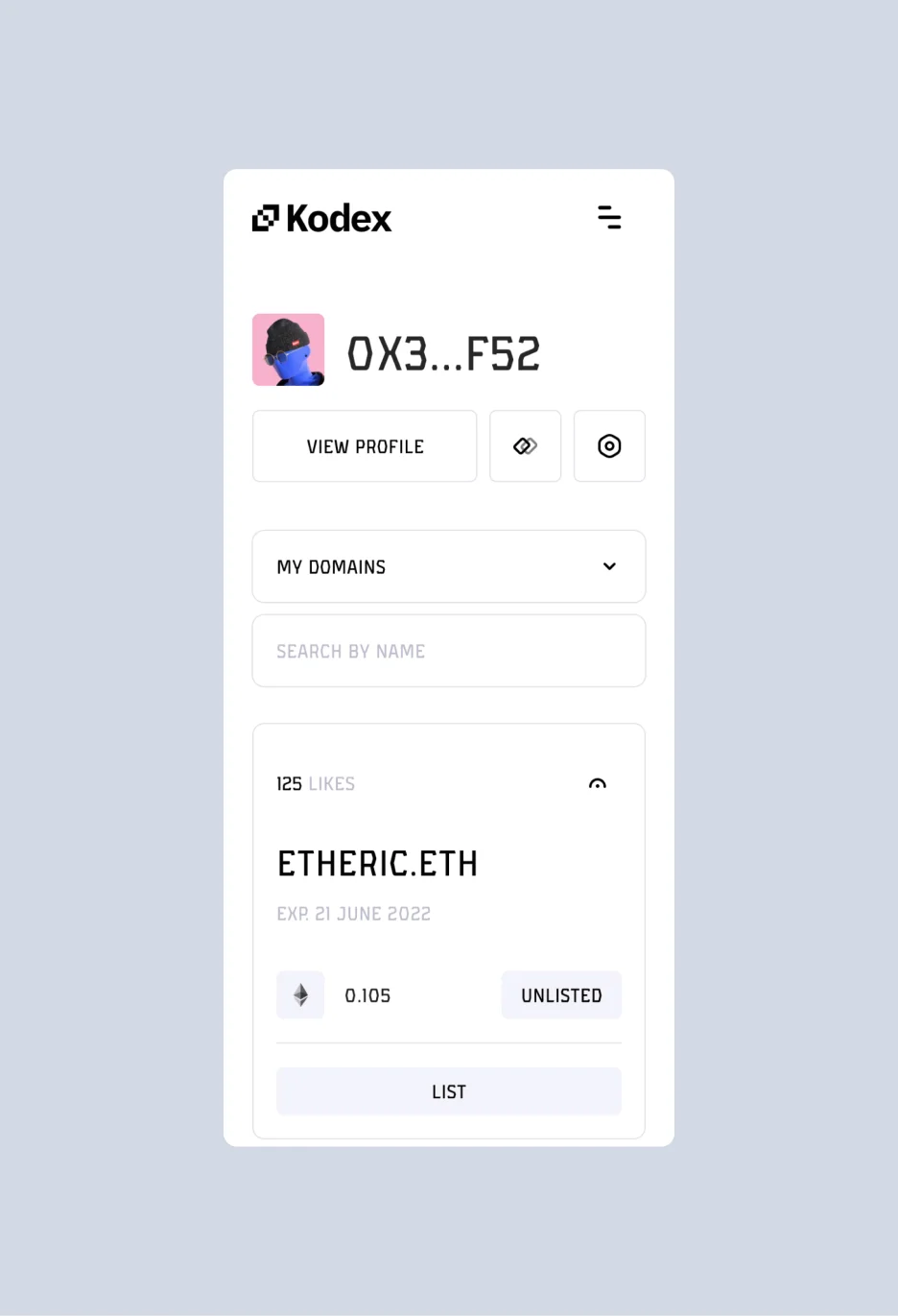
Profile, portfolio, and offers
Dense, scannable views of holdings, offers, and bids - with ENS-specific affordances surfaced as verbs.
Editorial and data surfaces
Monthly ENS roundups, top sales, and grace-period scans embedded in the product to give users a reason to come back without buying.
Brand and design system
A visual language native to ENS culture, built on tokens and primitives the team kept shipping on through the active 2022–2023 era.
Outcomes
Takeaway
Building for a niche category beats forking the dominant category. Kodex worked because it refused to be "OpenSea with ENS filters" - the search layer, the verbs, and the editorial were all shaped around what ENS actually is. That decision aged well even as the company sunset.